How to Make a Building More Fire Resistant
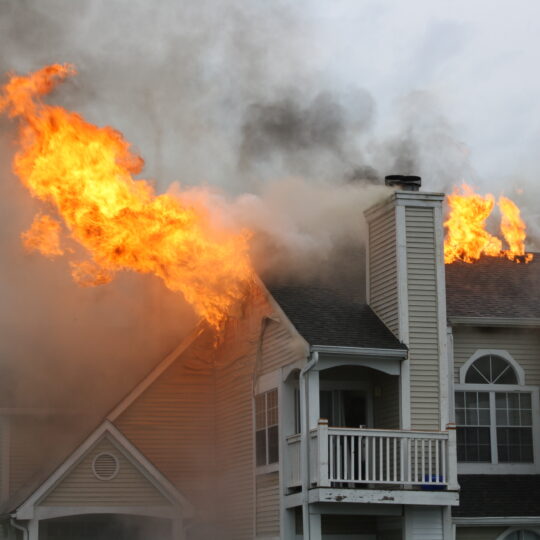
Fire can devastate homes, apartment buildings, and entire neighborhoods in a matter of minutes, especially if they are made of certain building materials. However, there are ways to help make a building more fire resistant. Key factors including materials, design, fire suppression systems, and regular maintenance all make a difference.
Fire-Resistant Construction Materials
From the foundation to the roof, structures can be made durable enough to stand up to multiple potential hazards, such as pests, weather, and fire. Here are some fire-resistant construction methods to keep in mind:
- The primary structure’s foundation should be made from non-combustible, naturally heat-resistant materials such as concrete, brick, and stone. Adding these elements to walls also helps maintain structural integrity.
- Steel or cast iron framing is a fire-rated alternative to wood and can help slow the spread of fire. Encase these elements in masonry for added protection.
- Fire-rated roofing materials like metal, concrete tiles, or slate are less flammable than wood shakes. A steeper roof pitch can also help embers roll off before igniting.
- Opt for stucco, fiber-cement, brick, or stone siding.
- Cover all attic, crawl space, and eave vents with metal mesh screening to help prevent embers from entering the building.
- Use double-pane windows with at least one layer of tempered glass to be more heat-resistant and less likely to shatter.
- Solid-core or fire-rated doors made of metal or fiber-cement can be tightly fitted and weather-stripped to seal gaps.
- Coat any existing wood components with fireproofing paint or other fire-retardant products.
Some of these construction materials fireproofing products contain natural elements known for their non-combustible properties. Vermiculite is one such element.
Key Benefits of Vermiculite
Vermiculite is a natural mineral that is often found in fireproof products because of the following factors:
- It does not burn or release harmful fumes when exposed to fire.
- When heated, it expands and creates an insulating barrier.
- Its thermal insulation properties help to slow the transfer of heat and cools the area during a fire.
- Since it can retain moisture, it helps turn high heat into steam, further enhancing its cooling effect.
- This lightweight material is easier to handle, install, and adds less weight to the building structure.
Because of these properties, vermiculite is often found in many of the building materials mentioned above.
Make a Building More Fire Resistant with Vermiculite
Vermiculite is used in various construction materials and applications.
- Spray coatings for commercial and industrial buildings consist of a dry mix of exfoliated vermiculite, a binder (like gypsum or cement), and water. When applied to structural steel beams, columns, and ductwork it creates a thick, insulating, fire-resistant layer.
- Vermiculite mixed with cement or other binders creates a lightweight, fire-resistant plaster that can be applied to walls, ceilings, and floors.
- Expanded vermiculite can be used as loose insulation to fill irregular spaces in wall cavities, attics, and between floor joists and provides both thermal insulation and fire protection.
- Exfoliated vermiculite is also a key ingredient in the core of fire doors, fire barriers, and fire-resistant gypsum plasterboard to help compartmentalize a fire and slow its spread.
- When used as a functional filler in fire-retardant paint and coating systems, it can be applied to fabrics and fiberglass components to increase fire resistance.
While the right materials and construction is an important part of creating a more fire-resistant space, there are other factors that help the cause.
Protective Fire-Proof Design
Any structure should have a form of fire alert and/or suppression system in place, including:
- Automatic sprinkler systems
- Smoke detectors and alarms
- Sufficient water storage tanks and hydrants
Buildings should also have clear and accessible evacuation routes with a plan in place on what to do in case of an emergency.
The landscaping around a structure is also important. Any flammable materials—including vegetation, mulch, and debris—should not be within five feet of the building. Instead, only non-combustible materials—like concrete or gravel—should occupy this zone. Plants should be pruned up to 10 feet and kept thin and well spaced. Regular plant maintenance should include cleaning debris from roofs, gutters, and other areas where accumulation can act as kindling for fire embers.
Using the right materials, design, suppression systems, and maintenance techniques can help keep structures and neighborhoods safe. A little fire-resistances can make a big difference under the right circumstances.
Join Our Mailing List
Our blog offers insight and information about new and exciting uses for perlite, diatomaceous earth, and vermiculite deriving from years of research and application. From passive fire resistance to mineral depth filtration, by subscribing to our mailing list, you will receive the latest information surrounding the Dicalite, Dicaperl, and Specialty Vermiculite brands and products.